
Key Takeaways
- Sports physicals in Chicago are required by many local leagues to ensure young athletes are healthy enough for competition.
- Expect a thorough check of heart, lungs, joints, and a review of medical history during the exam.
- Prepare by bringing necessary paperwork, like league forms and immunization records, to your appointment.
- Sports physicals differ from annual wellness visits; both are important for overall health.
- Many Chicago clinics offer fast appointments and multilingual support to make the process stress-free for families.
Why sports physicals in Chicago are essential for young athletes
Understanding local sports league requirements
Getting your kid ready for a sports season in Chicago means more than just new cleats and a water bottle. Most local sports leagues, whether it’s soccer, basketball, or even cheerleading, have a pretty strict rule: your young athlete needs a sports physical before they can hit the field or court. This isn’t just a formality; it’s a way to make sure they’re healthy enough for the demands of the sport. Think of it as a quick check-up to catch anything that might be a problem when they’re running, jumping, or pushing themselves. It’s a yearly requirement because kids grow and change so much, and what was okay last year might need a second look this year. We help make sure all the paperwork is sorted so your child can join their team without any last-minute scrambles.
How a physical keeps your child safe on the field
This exam is all about safety. During a sports physical, the doctor looks for any underlying health issues that could put your child at risk during physical activity. This includes checking their heart to make sure it’s strong enough for exertion, looking at their joints and muscles to spot any weaknesses or past injuries that could flare up, and listening to their lungs to check for any breathing problems. The goal is to identify potential problems before they become serious injuries. It’s also a chance to discuss any concerns you might have about your child’s health or how they’re feeling during practices and games. We want to make sure they can play their best without putting their health in jeopardy.
What’s different about a Chicago sports physical?
While the basic idea of a sports physical is the same everywhere, a Chicago sports physical often comes with its own set of local requirements and considerations. For instance, Chicago Public Schools and various park district leagues have specific forms that need to be filled out. Our clinic is familiar with these local demands and can process them efficiently. We also understand the unique environment of Chicago sports, from indoor winter leagues to outdoor summer activities, and tailor our assessments accordingly. We aim to provide a quick and easy process for families in the city, making sure your child gets cleared for play without unnecessary delays. You can get fast health clearances for local Chicago sports leagues and camps right here.
What to expect during your sports physicals in Chicago
So, you’ve got a sports physical coming up for your young athlete here in Chicago. It’s totally normal to wonder what actually happens during one of these appointments, especially if it’s your kid’s first time. Think of it as a check-up specifically geared towards making sure they’re ready for the physical demands of their sport. We’re not just ticking boxes; we’re looking at the whole picture to keep them safe and performing their best.
Step-by-step walkthrough of the exam
When you come in, we’ll start with some basics. We’ll get your child’s height and weight, and check their blood pressure. Then, we move into the more hands-on part. This usually involves:
- Checking vision and hearing: Making sure they can see and hear well is pretty important for playing safely.
- Examining heart, lungs, and stomach: We’ll listen to their heart and lungs and feel their abdomen to make sure everything sounds and feels normal.
- Assessing muscles and joints: We’ll look at how they move, check their flexibility, strength, and balance. This helps us spot any potential issues before they become problems.
- Reviewing medical history: We’ll go over any past injuries, current medications, allergies, and family medical history.
Your doctor’s focus: heart, joints, and lungs
During the exam, our main focus is on the systems that get the most workout during sports: the heart, lungs, and musculoskeletal system (that’s your bones, joints, and muscles). We want to make sure there are no underlying heart conditions that could be risky during intense activity. We’ll listen carefully for any murmurs or irregular rhythms. For the lungs, we’re checking for clear breathing. And for the joints and muscles, we’re looking at range of motion, strength, and stability to prevent common sports injuries.
How we address nervousness and build trust with kids
Kids can get anxious about doctor visits, and that’s totally understandable. We get it. Our team is really good at making kids feel comfortable. We use simple language, explain what we’re doing before we do it, and often use a bit of humor. Sometimes, just having a parent there helps a lot. We also find that being upfront about the process, without any scary surprises, goes a long way. Our goal is to make this a positive experience, not a stressful one.
We believe that a calm and trusting environment is key to a successful physical. It allows us to get the most accurate information and helps your child feel more confident about their health.
How to prepare for a sports physical appointment in Chicago
Getting ready for your child’s sports physical in Chicago is pretty straightforward, but a little preparation goes a long way. It helps make the appointment smoother for everyone, especially your young athlete.
Paperwork and forms you’ll need to bring
This is probably the most important part. Your child’s school, league, or team will give you specific forms they need filled out. Make sure you have these forms with you at the appointment. Without them, the doctor can’t complete the necessary clearance for sports. It’s a good idea to have a folder or envelope ready to keep these forms organized. If you’re unsure which forms you need, it’s always best to check with the sports organization or school beforehand. Sometimes, they might have online portals or specific instructions on how to get the forms.
Bringing current immunization records
Doctors need to see your child’s vaccination history. This helps them make sure your child is up-to-date on all their shots. It’s not just for sports; it’s a general health requirement. If your child has received any new immunizations since their last check-up, bring that updated record too. This information is vital for the doctor to have a complete picture of your child’s health status. It helps prevent the spread of preventable diseases, which is super important for team sports where kids are in close contact.
Tips for first-time parents and anxious kids
If this is your child’s first sports physical, or if they tend to get a bit nervous about doctor visits, a little extra planning can make a big difference. Talk to your child before the appointment. Explain what will happen in simple terms – that the doctor will check their heart, listen to their lungs, look at their joints, and make sure they’re healthy enough to play their sport. Reassure them that it’s a normal part of being an athlete. For parents, remember that the clinic staff is used to working with kids. They can help ease your child’s worries. Sometimes, bringing a favorite small toy or book can help a younger child feel more comfortable. Also, try to schedule the appointment at a time that works best for your child’s routine, avoiding times when they are usually tired or hungry.
A little bit of preparation can turn a potentially stressful event into a routine part of your child’s athletic journey. Having the right paperwork and talking through the process beforehand makes the actual visit much quicker and more effective.
Differences between sports physicals and annual wellness visits
Which exam does your athlete need?
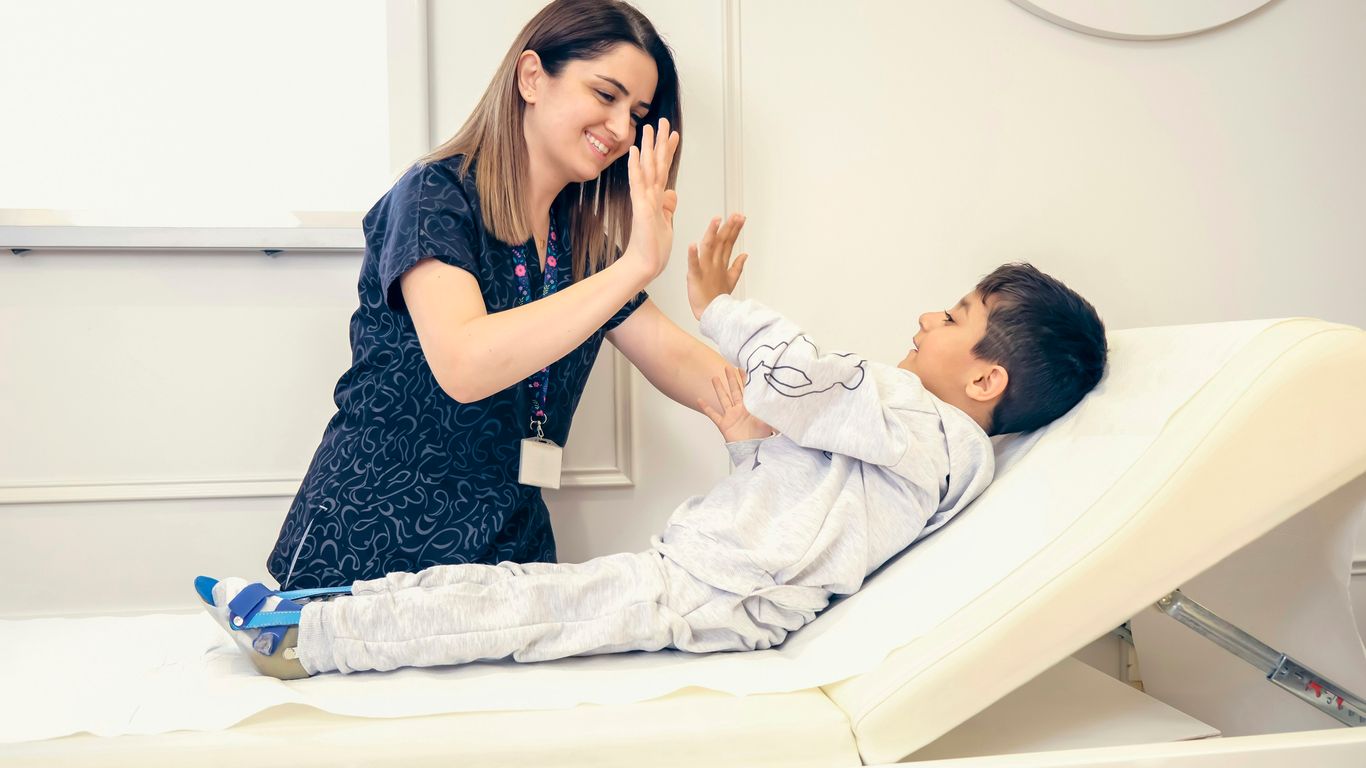
It’s easy to get sports physicals and regular wellness check-ups mixed up, but they actually serve different purposes. Think of a sports physical as a specific check-up focused on one thing: getting your child cleared for athletic activity safely. It looks at their heart, lungs, joints, and muscles to make sure they can handle the demands of a sport without any hidden risks. We’re checking for things that might pop up during intense physical exertion.
An annual wellness visit, on the other hand, is a much broader look at your child’s overall health and development. We track their growth from head to toe, review their medical history, discuss any behavioral or developmental milestones, and make sure all their vaccinations are up-to-date for general health. It’s about the big picture of their well-being, not just their ability to play soccer.
Why you should schedule both types every year
Even though they’re different, both visits are super important and should ideally happen every year. Your child’s body is always changing, especially as they grow. A sports physical ensures that any new issues, like a slight knee tweak or a change in heart rhythm, don’t go unnoticed before they hit the field. It’s a proactive step to prevent injuries specific to sports.
Meanwhile, the annual wellness visit is your chance to catch any general health concerns early. Maybe your child’s vision has changed, or they’re having trouble sleeping – these things might not come up in a sports-specific exam but are vital for their overall health and academic performance. Having both appointments means you’re covering all your bases for your child’s health throughout the year.
How sports forms get cleared faster at a clinic
When you come to a clinic like ours for a sports physical, we’re set up to handle these specific forms efficiently. We know exactly what information the local leagues and schools need. Because we focus on this type of exam regularly, we can often complete the paperwork on the spot, getting your child cleared much faster than if you were trying to fit it into a general check-up that might have a longer waiting list or a different focus. We aim to get those forms signed so your young athlete doesn’t miss out on practice or games.
Yearly physicals—why Chicago teams and schools require them
How growth and health needs change each year
Kids are always changing, right? One year they’re practically the same size, and the next, they’ve shot up like weeds. This constant growth means their bodies have different needs and potential issues year to year. What was perfectly fine last season might need a closer look now. Think about it: a growing heart has to work harder, joints are stretching and changing, and their overall stamina can shift dramatically. That’s why teams and schools want a fresh look each year – to make sure your young athlete is still in good shape for the demands of their sport.
Hidden issues that can affect athletic clearance
Sometimes, things pop up that you wouldn’t even notice during everyday life. Maybe a slight imbalance in a joint is becoming more noticeable with repetitive movements, or a mild breathing issue gets worse when they’re pushing their limits. These aren’t usually big, scary problems, but they can be enough to make a doctor pause and say, “Hold on, let’s check this out more.” Getting a yearly physical helps catch these things before they become a real problem or prevent your child from playing.
Staying ahead of last-minute paperwork season
We all know how it goes. Summer is winding down, school is about to start, and suddenly everyone remembers they need that physical form signed. It turns into a mad dash to find an appointment, fill out paperwork, and hope for the best. Doing the physical earlier in the year, maybe in the spring or early summer, takes that pressure off. You get it done, the forms are signed, and you can relax knowing your child is cleared and ready to go when the season or school year kicks off. It just makes life a lot smoother for everyone involved.
Getting cleared for sports quickly in Chicago
How clinics guarantee fast appointments
Getting your kiddo ready for the big game or the start of the season shouldn’t involve a long wait. We get it. That’s why we focus on making the sports physical process as smooth and speedy as possible. Our goal is to get your athlete back to practice without unnecessary delays. We schedule appointments with this in mind, so you’re not stuck in a waiting room for ages.
Zero waiting room lines (and how to get them)
Nobody likes sitting around, especially when you’ve got a busy schedule. We’ve set up our clinic to minimize wait times. This means we don’t overbook appointments. When you book with us, you’re booking a specific slot, and we stick to it. It’s all about respecting your time and getting your child seen promptly. Just give us a call to set up your appointment, and we’ll make sure you get in and out efficiently.
When last-minute scheduling is possible
Life happens, right? Sometimes you realize you need that sports physical yesterday. While we always recommend booking ahead, we do our best to accommodate last-minute requests. If a spot opens up or we can shuffle things around, we’ll try our hardest to fit you in. It’s always worth a quick phone call to see if we can help you out when you’re in a pinch. We know how important it is for your child to not miss out on their sports activities.
Making your sports physicals stress-free and welcoming
We get it. Taking your kid to the doctor can sometimes feel like a whole production, especially when it’s for something specific like a sports physical. But honestly, we try our best to make it a smooth experience for everyone. Our goal is to have your child leave feeling good about their visit, not anxious.
Multilingual support: Polish, Spanish, Russian, and English
Communication is key, right? We know that sometimes talking about health stuff can be tricky, especially if English isn’t your first language. That’s why our team is ready to chat in Polish, Spanish, and Russian, along with English. This way, you and your child can ask all the questions you have and really understand what’s going on without any confusion. It just makes things easier and safer for everyone.
Parking, arrival, and avoiding clinic stress
Let’s be real, finding parking and getting to appointments on time can be a hassle. We’ve tried to make things simpler. There’s usually easy parking nearby, and we really aim to stick to your appointment time. No one likes sitting in a waiting room forever, right? We schedule things so that you can get in, get seen, and get on with your day. It’s all about making the whole process less of a chore.
Creating a calm, kid-friendly experience
Kids can get nervous about doctor visits, and that’s totally normal. We’ve set up our clinic to feel more welcoming and less like a sterile, scary place. Our staff is trained to be gentle and reassuring with children. We explain things in simple terms and avoid any surprises. Think of it as a friendly check-up where your child’s comfort is a top priority. We want them to feel safe and heard.
What doctors look for during a youth sports physical
Checking bones, joints, and muscles for sports injuries
When your young athlete comes in for a sports physical, the doctor really zeroes in on their musculoskeletal system. This means checking out all the bones, joints, and muscles to make sure everything is in good shape for the demands of sports. They’ll look at how your child moves, checking for any stiffness, weakness, or pain that could be a problem during practice or games. This part of the exam is all about spotting anything that might put them at risk for an injury, like a sprain or strain, before it happens. The goal is to get them cleared for play while keeping them as safe as possible.
Reviewing medical and family history
Beyond the physical checks, a big part of the sports physical involves talking about your child’s health history. This includes any past injuries, chronic conditions like asthma, or allergies. We also ask about your family’s medical history, as some conditions can be inherited and might affect athletic performance or safety. It’s important to be open and honest here, as this information helps the doctor understand any potential risks. We want to make sure we have the full picture to clear your child for sports activities.
Vision and hearing screenings for safe play
Believe it or not, good vision and hearing are super important for sports safety. During the physical, we’ll do a quick check of your child’s eyesight and hearing. Can they see the ball coming their way? Can they hear a coach’s instructions from across the field? These screenings help identify any issues that could affect their ability to play safely and react quickly to their surroundings. It’s a simple step that makes a big difference in preventing accidents.
Sports physicals for teens: special care for older athletes
As your child gets older, their body is going through some pretty big changes, and sports physicals need to keep up. We’re talking about teenagers here, so things get a little more complex than just checking height and weight. It’s about making sure they’re ready for the demands of their sport while also keeping an eye on their overall health as they transition into young adulthood.
Unique health issues for adolescents
Teenage bodies are still developing, and sometimes this can bring up specific health concerns that might affect their ability to play sports safely. Things like:
- Growth spurts: Rapid growth can sometimes lead to joint pain or make existing issues more noticeable.
- Hormonal changes: Puberty can affect energy levels, mood, and even physical performance.
- Mental health: Increased stress from school, sports, and social life can impact a teen’s well-being.
- Nutrition and body image: We’ll talk about healthy eating habits and how they relate to athletic performance and overall health.
Navigating puberty and sports participation
Puberty is a time of significant physical and emotional development. For young athletes, this means we need to consider how these changes might interact with their sports. For example, a teen who is experiencing a growth spurt might be more prone to certain injuries, or their coordination might temporarily be affected. We also look at how they’re managing their energy levels and if they’re getting enough rest and proper nutrition to support both their growth and their athletic training.
It’s important to remember that every teen develops at their own pace. Our goal is to make sure their participation in sports is safe and beneficial for their physical and mental health during this dynamic period.
Keeping consistent care from childhood to young adulthood
One of the best things about having a consistent medical provider is that we know your child’s history. We’ve seen them grow and develop, so we can spot changes or new issues more easily. This continuity of care is super important as they move from childhood into their teenage years. We can track their health trends, manage any ongoing conditions, and make sure their sports physicals are tailored to their specific needs at this stage. It helps us provide a more personalized approach to their health and athletic clearance, ensuring they can continue to play the sports they love safely and confidently.
How sports physicals in Chicago clinics help families
Getting a sports physical for your child might seem like just another thing to check off a list, but it actually does a lot to help your family stay organized and keep your young athlete safe. Think of it as a key piece of the puzzle that connects your child’s health with their school and sports activities.
Coordinating with schools and local leagues
Sports physicals are often a hard requirement for joining school teams or local leagues. Clinics that specialize in these exams understand all the paperwork involved. They know exactly what forms need to be filled out and signed, and they can usually do it right there during the appointment. This means you don’t have to chase down a doctor after the fact or worry about missing deadlines. It’s a big relief when you’re already juggling practice schedules and school events.
- Streamlined paperwork: Doctors at these clinics are familiar with the specific forms used by Chicago Public Schools and many local sports organizations. This familiarity means they can complete them accurately and efficiently.
- Timely clearances: Getting the physical done means your child gets their clearance to play much faster. This avoids the stress of last-minute rushes before a season starts or a camp registration deadline.
- Clear communication: Clinics can often communicate directly with school athletic departments or league administrators if there are any questions about the physical, saving you the hassle of being the go-between.
Fast documentation for school sports and camps
We know that life gets busy, especially with kids involved in multiple activities. That’s why many clinics focus on making the sports physical process as quick and painless as possible for families. They often have systems in place to get you in and out without long waits.
The goal is to get your child cleared for their sport or activity without adding more stress to your already packed schedule. It’s about making the medical side of sports participation as smooth as possible.
Year-round support for growing, active kids
Beyond just the sports physical, these clinics often serve as a consistent medical home for your child. This means they track your child’s growth and health over time, which is especially important as they go through different stages of development and participate in various sports. They can address any new concerns that pop up, whether it’s related to a sports injury, a change in their health, or just general well-being.
- Tracking development: Doctors monitor your child’s physical growth and development year after year, noting any changes that might affect their athletic performance or safety.
- Addressing concerns: If your child experiences an injury during a sport or has a new health issue arise, having a familiar doctor who knows their history can lead to quicker and more accurate diagnoses and treatment plans.
- Preventative care: These clinics can also offer advice on injury prevention, nutrition for athletes, and overall health maintenance, supporting your child’s active lifestyle throughout the year.
Choosing a bilingual, award-winning clinic for sports physicals Chicago
The benefits of a long-term medical home
When you’re looking for a place to get your child’s sports physicals in Chicago, it really helps to find a clinic that feels like a consistent part of your family’s health journey. Think of it like having a favorite mechanic for your car; you know they understand its history and quirks. A long-term medical home means the doctors here know your child’s health story, from those first baby checkups right up through their teenage years. This isn’t just about convenience; it means they can spot changes or potential issues more easily because they have that baseline knowledge. Since 1994, Dr. Banas and her team have been that steady presence for families in Chicago, building relationships that go beyond just a single appointment. This continuity of care is super important, especially as kids grow and their health needs change year by year.
Guaranteeing accurate diagnoses in your language
It’s a big deal when you can talk about your child’s health in your own language. Medical stuff can be confusing enough without adding a language barrier. At this clinic, they really get that. The staff is fluent in English, Polish, Russian, and Spanish. This means you can ask all your questions, understand the doctor’s explanations, and feel confident about any diagnoses or treatment plans without any guesswork. Clear communication is key to making sure everyone is on the same page, and it helps prevent any mix-ups with medication or instructions. It just makes the whole experience feel safer and more comfortable for everyone involved.
Why families trust Dr. Banas’s practice since 1994
Trust isn’t built overnight, and for families in Chicago, the reason they keep coming back to Dr. Banas’s practice since 1994 is pretty clear. It’s a combination of things: the personalized care, the fact that they’ve been recognized with awards like the Patients’ Choice Award and Compassionate Doctor Recognition, and the simple fact that they treat you like a person, not just another number. They focus on making sure kids feel comfortable, even when they’re a little nervous about a check-up. Plus, the “zero wait time” for scheduled appointments is a huge plus for busy parents. It shows they respect your time and are organized to get you seen quickly and efficiently. This long-standing reputation means they’ve got a lot of experience under their belt, especially when it comes to sports physicals and making sure young athletes are cleared to play safely.
Special considerations for kids with learning or behavioral needs
Including necessary cognitive and behavioral evaluations
Sometimes, kids just don’t seem to click with schoolwork or social situations the way others do. It’s not always about physical health, but more about how their brain is wired. During a sports physical, we can take a closer look at these aspects. We’re not just checking how well your child can run or jump; we’re also observing how they process information and interact. This might involve some simple questions about how they learn best or if they find it hard to focus. It’s about getting a fuller picture of your child’s overall well-being.
Providing medical documentation for school accommodations
If your child has a diagnosed learning difference or behavioral challenge, like ADHD or dyslexia, getting the right support at school is key. We can help with that. After a thorough evaluation, we can provide official medical documentation. This paperwork is what schools need to make necessary adjustments, like extra time on tests or a quieter place to work. It helps bridge the gap between what your child needs and what the school can provide.
Working closely with parents and coaches
We believe in a team approach. That means we want to work with you, the parents, and also with your child’s coaches. Coaches can sometimes spot things on the field that might be related to a child’s behavior or learning style. By talking with everyone involved, we can create a plan that supports your child not just in the doctor’s office, but also in their sports activities and school life. It’s all about making sure your child has the best chance to succeed and feel good about themselves.
Kids with learning or behavior challenges often need a little extra support. We understand that every child is unique and may require a personalized approach to their care. If you’re looking for ways to help your child thrive, our team is here to guide you. Visit our website to learn more about how we can support your child’s specific needs.
Wrapping Things Up
So, there you have it. Getting your kiddo ready for sports or school in Chicago doesn’t have to be a headache. We’ve walked through what to expect during these check-ups and why they’re super important for keeping your young athlete safe and healthy. Remember, a quick visit can catch things you might not notice at home, and it gets them cleared for all the fun activities they love. Don’t wait until the last minute – book that appointment and give yourself some peace of mind. Your child’s health and safety on the field or in the classroom are totally worth it.